Blog
Bathroom installation: a complete guide for Bournemouth homeowners

Bathroom installation: a complete guide for Bournemouth homeowners
Replacing or installing a bathroom in Bournemouth should be straightforward, efficient and built to last. With 25 years' experience in plumbing and heating, L and L Plumbing and Heatings provides practical advice to help you plan a bathroom that works for your house — whether a Victorian terrace in Boscombe or a modern apartment near Bournemouth Pier.
Why planning matters
A well-planned install saves time, avoids unexpected work and keeps the project on budget. Before anyone breaks out a tile cutter, decide:
- The room purpose: family bathroom, ensuite, wet room or downstairs cloakroom.
- Key fixtures: bath, shower, basin, WC, and any cupboards or laundry appliances.
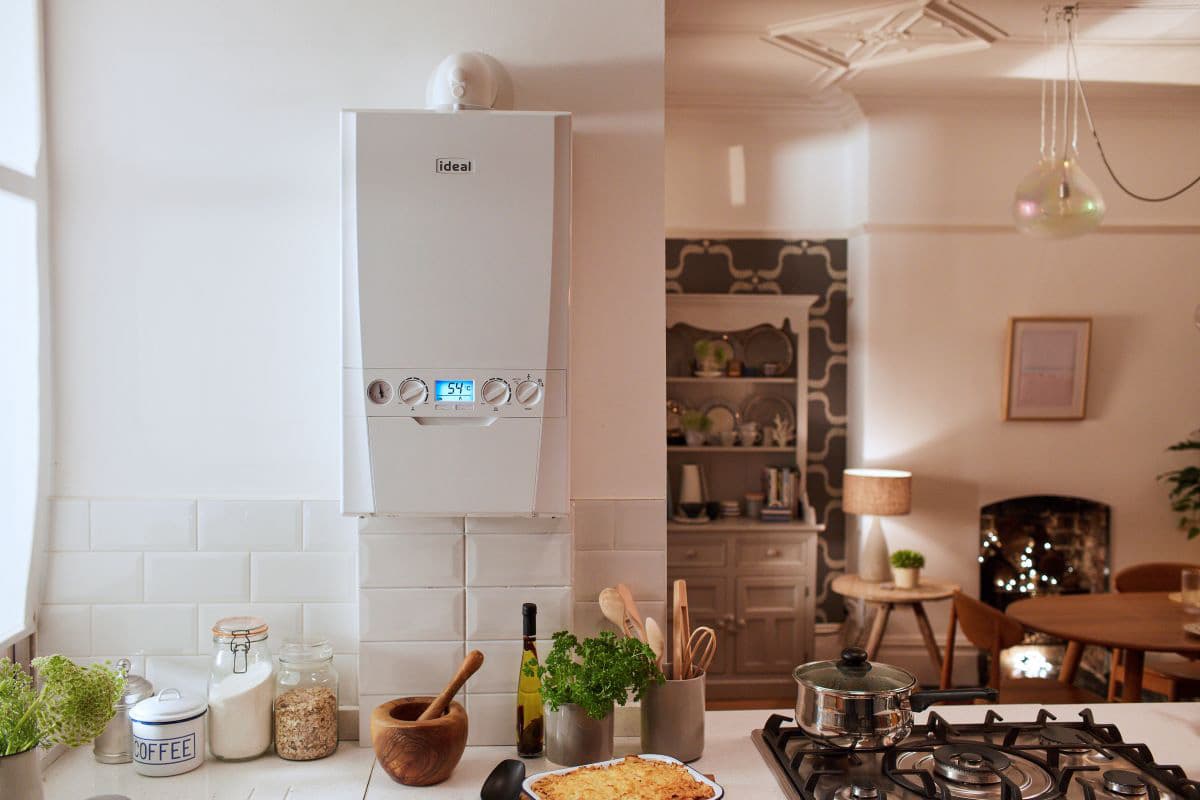
- Heating and hot water needs: combi boiler, unvented cylinder or mains-fed system.
- Ventilation and lighting routes.
Early decisions determine pipe runs, waste positions and whether you need additional structural or drainage work — all factors that affect how long the job takes.
Layout and plumbing — practical rules
- Keep hot and cold pipes as short as possible. Grouping the WC, basin and shower reduces materials and improves flow.
- Decide between a concealed or exposed waste system. Concealed wastes look tidy but need an access panel for future servicing.
- For showers, use a thermostatic mixing valve and fit the waste trap with an accessible cover. Check the shower tray fall — poor falls are the most common cause of slow draining.
- If you're installing an unvented cylinder or changing boiler location, ensure a competent installer completes the work — these items must meet current Building Regulations.
Waterproofing and tiling: get the basics right
Waterproofing is non-negotiable. For showers and wet rooms use tanking products or a full system with a warranty. Tile backer boards and cementitious screeds reduce movement cracks compared with direct tile-on-plaster.
Practical tips:
- Use a continuous membrane on wet-room floors and up the walls to a sensible height (manufacturer guidance varies).
- Leave a movement joint at room perimeters where tiles meet other finishes.
- Fit a weep hole for linear drains to avoid trapped water behind the channel.
Heating, ventilation and acoustics
- Extract ventilation must remove moisture to prevent condensation and mould. Aim for a fan that meets current Building Regulations and wire it to run on a timer or humidistat.
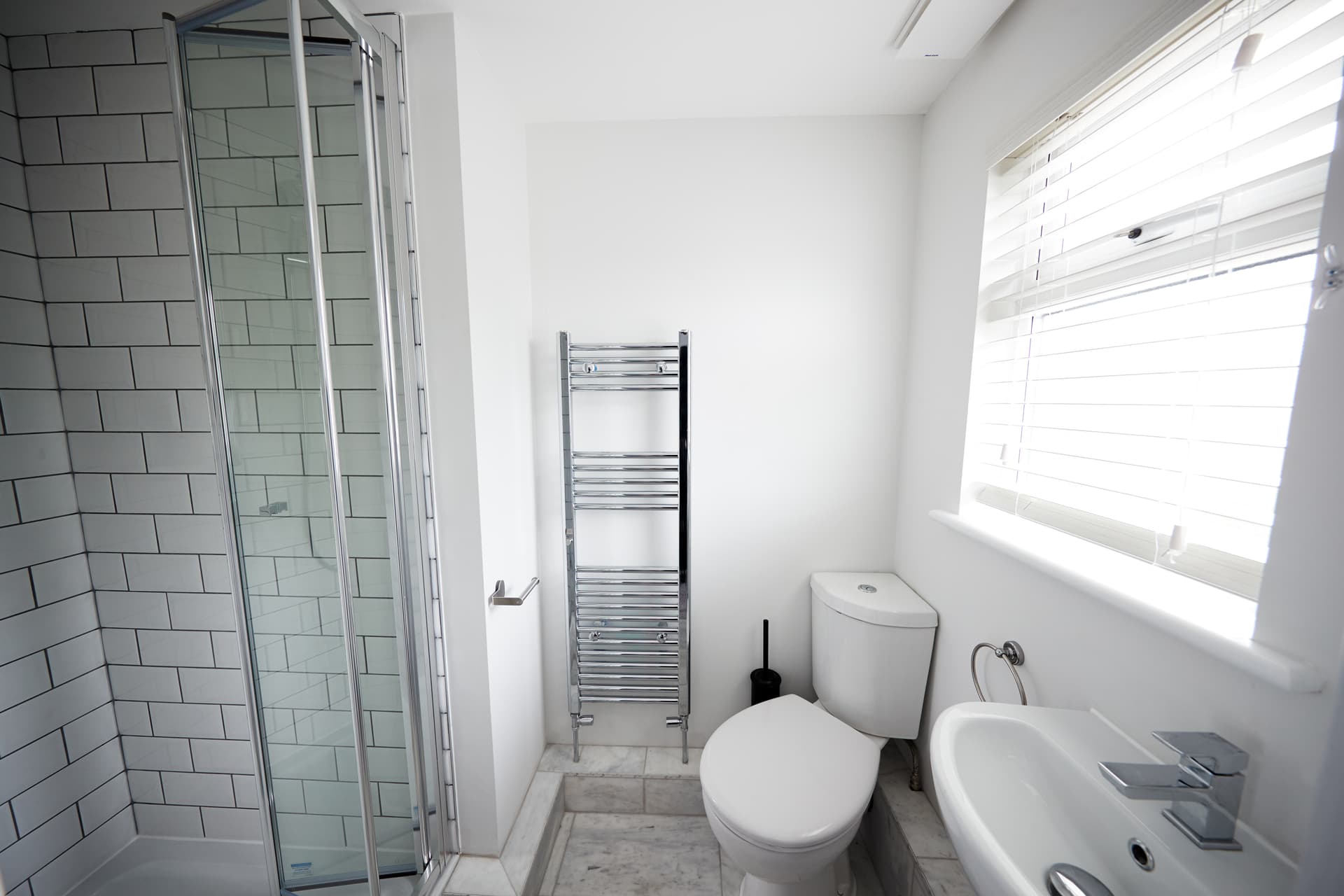
- Think about heat loss from exposed pipework and fits. A heated towel rail helps comfort but may require a separate TRV or thermostatic control.
- Consider underfloor heating for tiled floors — it reduces cold spots and works well with low-water-content boilers.
Electrical and regulatory work
Any electrical work in bathrooms must be undertaken by a competent electrician and comply with Part P and the appropriate bathroom electrical zones. All new circuits in bathrooms should be RCD protected. For gas appliances or flues connected to the bathroom heating, use a Gas Safe engineer (Gas Safe Registered — 568251) to keep work safe and compliant.
Choosing trades and materials
Hire installers who understand domestic details: how to maintain access to valves, how to channel walls without weakening structure, and how to minimise dust and disruption. Ask for:
- Evidence of current insurance (public liability).
- Manufacturer warranties on fixtures and stated guarantees for pipework (L and L offers a 2-year guarantee on pipework alongside manufacturer warranties for boilers).
- References or examples of recent Bournemouth jobs.
Typical timeline and disruption
A straightforward bathroom replacement in a standard room usually takes several days to prep, two to five days to fit fixtures and tiles, and time for grouts and sealants to cure. Expect some disruption: plumbers will need access to isolation valves; tilers generate dust; electricians may need to isolate circuits. Good trades coordinate to reduce waiting times.
Aftercare and maintenance
- Check seals around baths and showers annually and re-seal if the bead looks cracked or loose.
- Test isolation valves and label them so future trades can work quickly.
- For unvented cylinders or central heating work, arrange annual servicing to maintain performance and preserve warranties.
Homeowner checklist before work starts
- Confirm scope in writing: fixtures, locations, materials and who handles the building-control sign-off if needed.
- Agree door access, storage for materials and where trades will park in Bournemouth or Ringwood.
- Ask for warranty paperwork and any commissioning certificates on completion.
- Confirm the schedule — arrival times and likely disruptions.
Ready to start your bathroom in Bournemouth?
If you need a straightforward, competent bathroom install or an upgrade to your heating alongside the work, L and L Plumbing and Heatings brings 25 years' experience, Gas Safe registration (568251) and public liability cover. For a no-nonsense quote or same-day emergency callout in Bournemouth, Ringwood or Fordingbridge, email landlplumbing@hotmail.com. We’ll confirm availability, scope and how we’ll keep disruption to a minimum.
Other Articles